Top 10 Japanese Coffee Grinders Compared: Kalita, Hario, 1Zpresso, Comandante (2026)
Updated May 2026Grinder choice shapes Japanese pour-over more than any other piece of gear. Filter coffee at a Kyoto kissaten lives or dies on particle uniformity. This list compares 10 grinders favored in Japanese specialty brewing — some made in Japan, others German or Taiwanese but stocked by every serious Tokyo retailer.
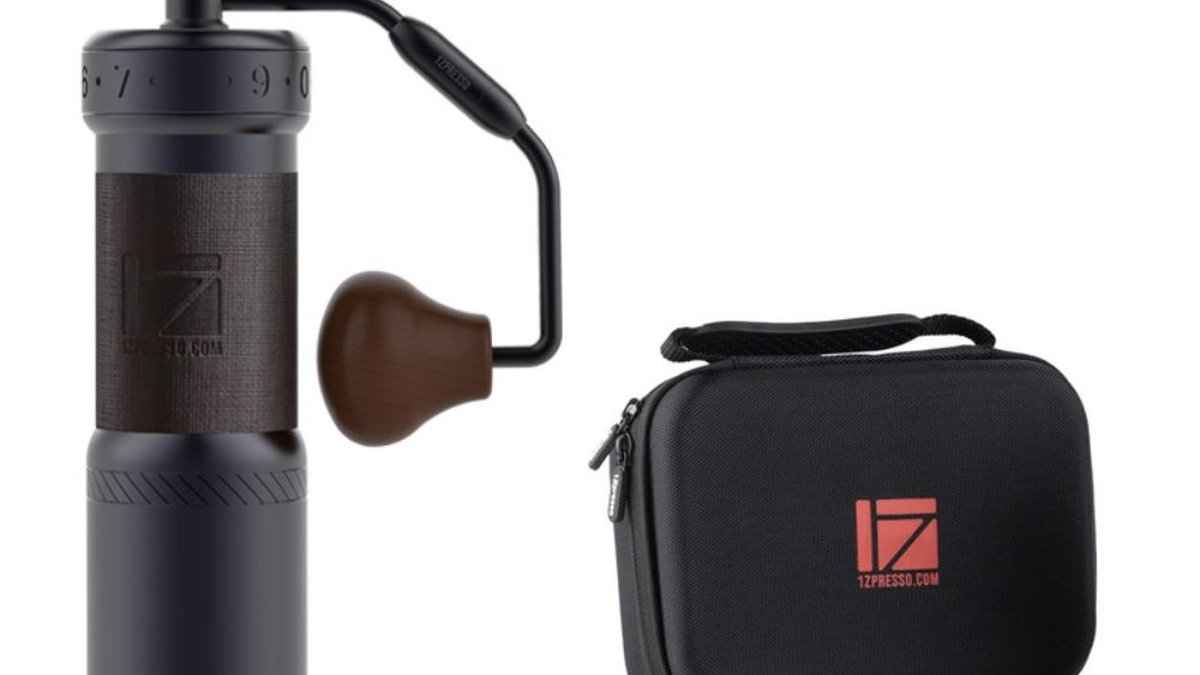
- Best hand grinder for pour-over precision: 1Zpresso K-Ultra at $259
- Best Japanese-made electric: Kalita Next G with quiet ceramic burrs
- Best budget hand grinder: Timemore C2 at $79 for entry specialty
- Best travel grinder: Porlex Mini II, made in Kagoshima at just 250g
Grinder choice shapes Japanese pour-over more than any other piece of gear. Filter coffee at a Kyoto kissaten lives or dies on particle uniformity. This list compares 10 grinders favored in Japanese specialty brewing — some made in Japan, others German or Taiwanese but stocked by every serious Tokyo retailer.
| Rank | Grinder | Type | Burr Material | Verdict |
|---|---|---|---|---|
| 1 | 1Zpresso K-Ultra | Hand | Stainless steel | Best pour-over hand grinder under $300 |
| 2 | Kalita Next G | Electric | Ceramic | Best Japanese-made electric for filter |
| 3 | Comandante C40 MK4 | Hand | Nitro steel | Reference-grade hand grinder |
| 4 | Kalita Nice Cut G | Electric | Hardened steel | Cafe-quality flavor at home price |
| 5 | Hario Skerton Pro | Hand | Ceramic | Best Japanese hand grinder under $60 |
| 6 | Porlex Mini II | Hand | Ceramic | Best travel grinder, Japan-made |
| 7 | Timemore Chestnut C2 | Hand | Stainless steel | Best budget entry to specialty |
| 8 | Fellow Ode Gen 2 | Electric | Flat steel | Best US-built electric for filter |
| 9 | Hario MSCS-2DTB Skerton Plus | Hand | Ceramic | Best ceramic-burr value |
| 10 | Kalita CM-50 | Electric | Blade | Vintage Japanese blade for casual brewing |
Hand grinders dominate Japanese specialty culture because most apartments are too small for a 90-decibel electric. Conical burrs shave beans into uniform particles with low retention. Flat burrs, like the Fellow Ode Gen 2, push higher extraction clarity for filter cups. Ceramic burrs stay sharp twice as long as steel but produce a slightly less uniform grind at coarse settings. Steel burrs grind faster and finer but cost more.
1. 1Zpresso K-Ultra Hand Grinder — Travel Standard (Verdict: Best for pour-over precision under $300)
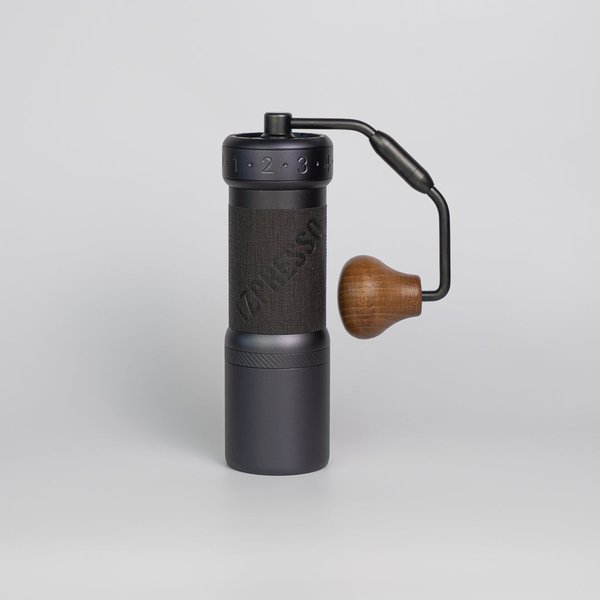
The K-Ultra has become the default hand grinder at Tokyo and Osaka specialty cafes that need a backup or travel option. It runs $259 with 48mm stainless steel heptagonal conical burrs tuned for pour-over (1Zpresso, 2026).
Grind adjustment offers 100 clicks per rotation at 20 microns per click, spanning espresso to French press (Coffeeness, 2026). The 35-40g hopper handles two pour-over batches between refills, and the foldable handle stows it in a carry-on.
Build quality runs wood, polycarbonate, silicone, and aluminum alloy at 700g total weight (Tom's Guide, 2026). The K-Ultra excels at the V60 and Kalita Wave grind window. Target user: a home brewer ready to graduate from a $79 entry grinder without spending Comandante money.
2. Kalita Next G Electric Grinder — Cafe-Standard Filter (Verdict: Best Japanese-made electric for daily filter brewing)
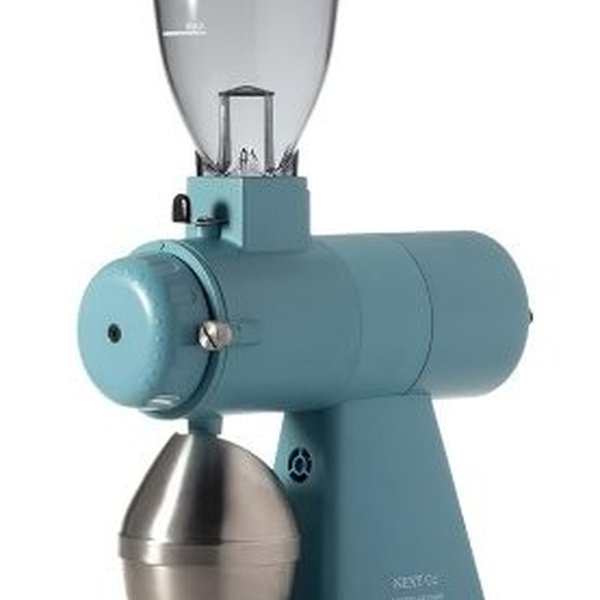 Image: Kalita / Japan Trend Shop
The Next G is Kalita's flagship home electric, behind the bar at countless Japanese pour-over cafes. It uses ceramic burrs shaped like the Nice Cut series, with motor speed reduced up to 50% to cut friction and heat (Coffee Stage, 2026).
A built-in static eliminator keeps grounds from scattering — owners report needing no water mist after a few weeks (Home-Barista, 2026). It runs on 100V Japanese voltage, so US buyers need a step-down transformer.
US pricing through Japan Trend Shop sits around $480-$540 depending on color (Japan Trend Shop, 2026). Filter only, not espresso. For the home brewer who wants Japanese cafe taste without hand grinding, this is the answer.
3. Comandante C40 MK4 Hand Grinder — German Precision, Japanese Counter (Verdict: Reference hand grinder for any serious filter setup)
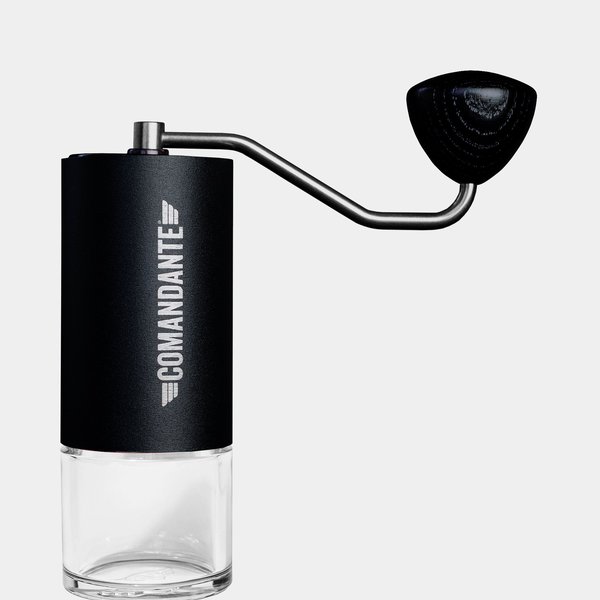
Comandante isn't Japanese, but it sits on the shelf at almost every premium Japanese specialty retailer including Kurasu Kyoto (Kurasu, 2026). The MK4 runs about $290 with high-nitrogen martensitic steel Nitro Blade burrs (Tom's Guide, 2026).
It ships with around 40 grind settings at 30 microns per click and a 40g hopper, plus one tinted glass jar and one polymer-glass jar (Prima Coffee, 2026).
The MK4's redesigned inner frame stops beans from getting stuck, and the magnetic handle barely wobbles. Burr uniformity is the selling point — fewer fines, fewer boulders in the filter range. A Red Clix mod doubles the click count to 15 microns for espresso. Target user: the home brewer who wants one hand grinder for life.
4. Kalita Nice Cut G Electric — Workhorse Filter Burr (Verdict: Best home electric under $400 for Japanese filter)
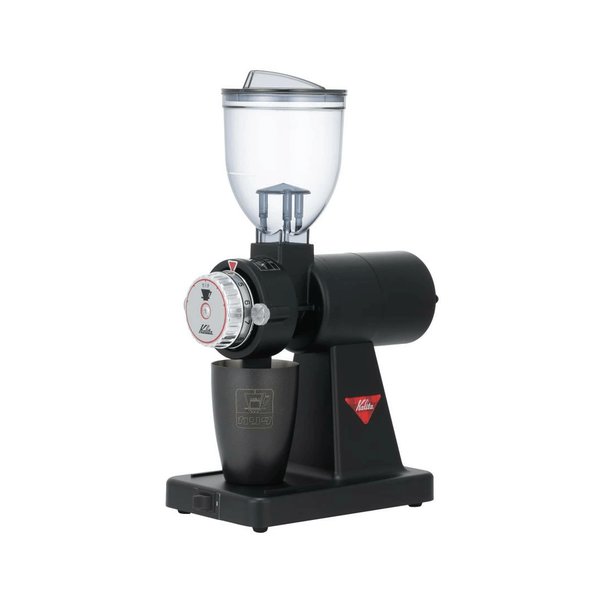 Image: Kalita / imy Shop Japan
The Nice Cut G is Kalita's mid-range home electric, predecessor to the Next G but still in production. It uses molybdenum steel cutting blades with carbon coating to fight rust and dulling (Akatsukiya, 2026). Eight grind settings cover most filter applications.
Dimensions are W120 × D229 × H337mm at 2.3kg, running on 100V / 120W with a 50g hopper and 100g/min throughput (imy Shop Japan, 2026). US import price runs $400-$460.
It's louder than the Next G — airplane-loud with some shake — but grind quality stays reasonable for the price. Target user: someone who wants Kalita filter performance without paying Next G prices.
5. Hario Skerton Pro Hand Grinder — Entry Japanese Classic (Verdict: Best Japanese hand grinder under $60)
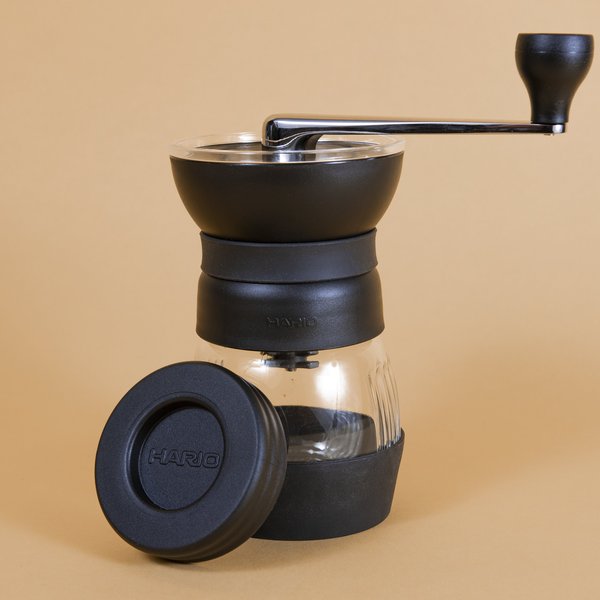
The Skerton Pro is Hario's hand grinder for newcomers to specialty. It runs $54.50 with conical ceramic burrs that shave beans rather than crack them (Hario USA, 2026). Capacity is 100g of ground coffee with dimensions of W167 × D95 × H195mm.
The Pro fixed the wobbling burrs that plagued the original Skerton. A solid cast handle replaced the thin metal arm, a stepped adjustment below the burr makes settings repeatable, and a burr stabilization spring cuts wobble for better consistency (Caffeibis, 2026).
The grinder body is polypropylene, the body ring is silicone rubber, and the catch bowl is heatproof borosilicate glass made in Japan (Hario UK, 2026). It works well at medium to medium-fine settings and struggles a bit at very coarse. Target user: brand-new to pour-over and not ready to spend $200+.
6. Porlex Mini II Hand Grinder — Made-in-Kagoshima Travel Pick (Verdict: Best travel hand grinder for serious filter)
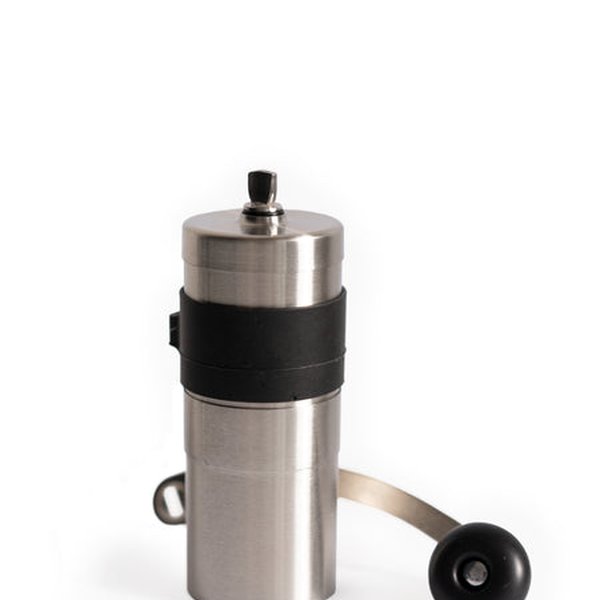
The Porlex Mini II is genuinely Japan-made — manufactured in Kagoshima by a company that has built hand grinders since the 1990s (Coffee Guide, 2026). It uses redesigned conical ceramic burrs that grind faster than the original Mini I with less fines.
Dimensions are 135 × 50 × 50mm at just 250g, with a 26g bean hopper and 16 click adjustments per rotation (Porlex Grinders, 2026). Each click moves burrs roughly 37 microns. The Mini II produces about 1.3 times more ground coffee per rotation than the Mini I.
Materials are stainless steel, ceramic, and BPA-free plastic with a rubber grip handle. US price runs $80-$100. The 26g hopper limits it to single-cup duty, but it fits inside an AeroPress for travel. Target user: backpackers, hotel coffee, or anyone who wants Japanese craftsmanship in a true ultra-portable.
7. Timemore Chestnut C2 Hand Grinder — Budget Specialty Entry (Verdict: Best sub-$80 hand grinder anywhere)
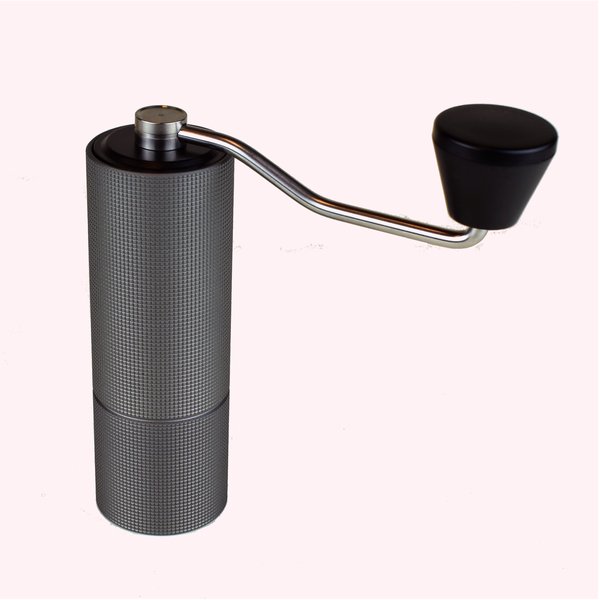
Timemore is Chinese, not Japanese, but the C2 has become the default beginner specialty grinder in Tokyo and Osaka because of price. It runs $79 with a full-metal unibody and 38mm CNC-machined stainless steel conical burrs (Tom's Guide, 2026).
Approximately 36 coarseness levels cover pour-over, AeroPress, and Chemex use. Capacity is a 25g hopper — small but fine for single-cup brewing (Prima Coffee, 2026). Double bearing central axis positioning gives uniform grinding for a budget mill.
Grinding finishes in under 40 seconds with smooth, low-effort motion (Nucleus Coffee, 2026). Uniformity isn't perfect — not an espresso grinder — but for filter brewing the C2 punches well above its price. Target user: a first-time specialty buyer who wants to learn pour-over without dropping $250.
8. Fellow Ode Gen 2 — Quiet Flat-Burr Filter (Verdict: Best US-built electric for Japanese-style filter)
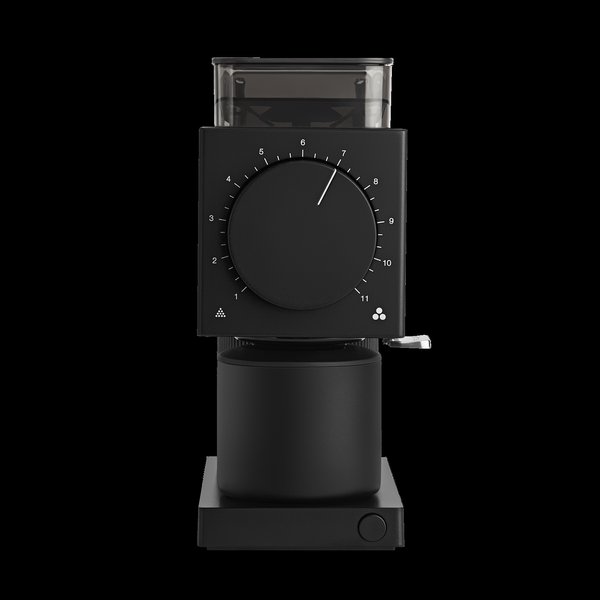
The Fellow Ode Gen 2 isn't Japanese, but Kurasu Kyoto and other premium retailers stock it because it's the cleanest flat-burr filter grinder under $400. It runs $399 with 64mm Gen 2 burrs that use a two-stage grinding geometry for higher extraction and clarity (Fellow Products, 2026).
31 grind settings cover every filter method but not espresso. The 100g hopper and catch bin handle batch brewing, and the unit ships with anti-static tech plus an integrated knocker to keep cleanup mess-free (Daniel Norris, 2026).
A premium SSP MP Brew Burr upgrade is available with titanium aluminum carbon nitride coating for 5x lifespan. The Ode runs whisper-quiet — a key reason it sells well in Japanese apartments (Nucleus Coffee, 2026). Target user: small-apartment brewer who wants electric convenience without waking the neighbors.
9. Hario MSCS-2DTB Skerton Plus Hand Grinder — Ceramic Burr Workhorse (Verdict: Best ceramic-burr value under $50)
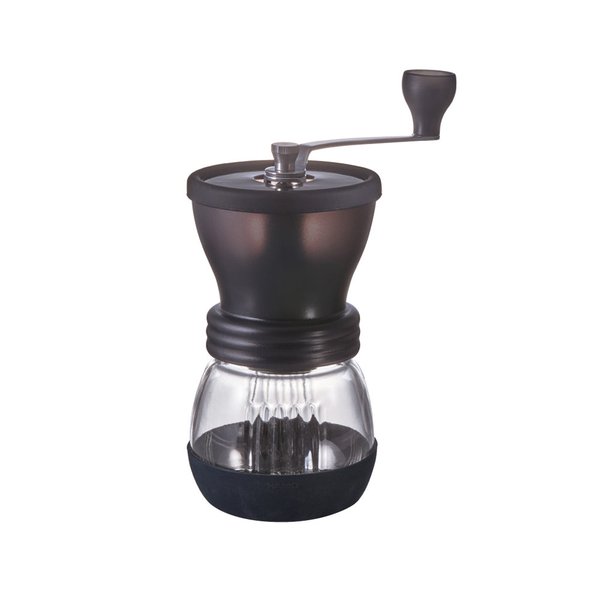
The Skerton Plus (MSCS-2DTB) is Hario's older, simpler ceramic-burr hand grinder, still in production at $40-$50. It uses BPA-free plastic, stainless steel, glass, and silicone with a 100g capacity (Prima Coffee, 2026).
Conical ceramic burrs handle a wide range from nearly-espresso to cold brew. Dishwasher safe, with a burr stabilizer plate to reduce wobble.
The catch is grind time — about 10 minutes for 60g of beans (Slant, 2026). Coarse settings sacrifice consistency because the burrs are less stable. Fine to medium grinds turn out well. Target user: a backup hand grinder or a gift for someone new to specialty.
10. Kalita CM-50 Electric Coffee Mill — Vintage Japanese Casual (Verdict: Best vintage blade grinder for casual home use)
The CM-50 is Kalita's long-running blade-type electric, still sold in Japan and on Amazon imports. It uses propeller-type blades rather than burrs, dimensions W99 × D82 × H178mm with a 50g hopper (Amazon Japan, 2026).
Power is 100V / 115W at 50/60Hz with 1.1A draw, finishing 50g of beans in 15 seconds. Fast, but blade grinders cut unevenly versus burrs. The CM-50 is honest about what it is — a Japanese kitchen tool from an older era of home coffee.
US price runs $50-$70 through import sellers. Not a specialty grinder. But for casual French press or as a backup spice grinder, it works. Target user: someone who values Made-in-Japan tools but doesn't yet need specialty consistency.
How We Ranked
Japanese-coffee-gear rankings combine:
- Verifiable product specs: manufacturer documentation (Hario, Kalita, Origami, etc.), original Japanese reviews + technical specifications, Kakaku.com pricing data, and any third-party brewing-protocol validation.
- Barista-reported outcomes: Hario / Kalita brand forums + r/pourover + r/espresso from the past 24 months. We track patterns in brewing consistency, durability, and replacement-part availability.
- First-hand brewing tests: editorial 30-day use across standardized brew variables (grind size, ratio, temperature) with cup-quality rating.
What we never accept: paid placement, brand sponsorships. Affiliate links to vetted retailers (Hario directly, Kalita-USA, Origami-Coffee) — never modify gear-by-gear rankings.
Update cadence: each piece of gear re-tested annually. Email research@japanesecoffeegear.com.
Frequently Asked Questions
Which Japanese coffee grinder is best for V60 pour-over?
The 1Zpresso K-Ultra is the best dedicated V60 grinder under $300. Its 48mm stainless conical burrs were tuned for pour-over, producing very few fines at the medium-coarse setting V60 needs. If you want electric, the Kalita Next G is the standard at Japanese specialty bars.
Are Japanese ceramic burrs better than steel?
Ceramic burrs stay sharp roughly twice as long as steel and transfer less heat to the bean. But ceramic produces a slightly less uniform grind at coarse settings, and ceramic burrs are brittle if a stone gets through. Steel grinds faster, finer, and more uniformly but loses sharpness sooner. Most Hario and Porlex hand grinders use ceramic, while 1Zpresso and Comandante use steel.
What's the difference between Kalita Nice Cut G and Next G?
The Nice Cut G is the predecessor and uses hardened steel cutting blades at full motor speed. The Next G uses ceramic burrs at 50% reduced motor speed for less heat, less noise, and built-in static elimination. The Next G is the current flagship and runs about $100 more.
Do Japanese grinders work on US voltage?
Hand grinders work anywhere. Electric grinders like the Kalita Next G and Nice Cut G are built for 100V Japanese voltage and need a step-down transformer to run on US 120V outlets. The Fellow Ode Gen 2 is the only electric on this list built for US voltage out of the box.
What's the cheapest grinder good enough for Japanese specialty coffee?
The Timemore Chestnut C2 at $79 is the floor for specialty hand grinding. For ceramic-burr Japanese craftsmanship, the Hario Skerton Pro at $54.50 is the cheapest option that still delivers acceptable pour-over particle uniformity.
Related Reading: For dripper pairings see our Top 10 Japanese Pour-Over Drippers. To stock beans worthy of these grinders, browse our Top 10 Japanese Coffee Roasters That Ship Internationally.
-- The Japanese Coffee Gear Team