Top 8 Japanese Coffee Roasters Compared: International Shipping, Specialty Beans (2026)
Updated May 2026Japan's third-wave scene runs on precision. Roasters here favor light-medium roasts, single-origin lots, and traceable farms. Two Japanese cafés made The World's 100 Best Coffee Shops list for 2026 (Time Out Tokyo, 2026).
Quick Answer
- Glitch Coffee ships direct to the US — light, fruit-forward, ¥4,400 for 500g.
- Kurasu Kyoto is the easiest entry: subscription with free worldwide shipping from $22.
- Onibus Coffee ships via EMS, DHL, and FedEx from Tokyo — choose by speed and budget.
- For roasters that don't ship to the US, route through Kurasu's monthly partner-roaster box.
Last updated: May 2026
Affiliate disclosure: Japanese Coffee Gear earns commissions on qualifying purchases. Prices verified May 2026 from roaster sites and US retailers.
Japan's third-wave scene runs on precision. Roasters here favor light-medium roasts, single-origin lots, and traceable farms. Two Japanese cafés made The World's 100 Best Coffee Shops list for 2026 (Time Out Tokyo, 2026).
The Specialty Coffee Association of Japan runs seven national contests. The 2025 Japan Brewers Cup went to Wataru Iitaka of Saza Coffee with a 483.00 score (CROWD ROASTER, 2025).
The trick for US buyers is that "great roaster" and "ships to the US" are two lists. Mel and Coffee Wrights sell at home only. Glitch and Onibus ship direct (Glitch shipping policy, 2026).
This guide ranks the ten roasters most worth a US drinker's time. Every price is the May 2026 spot in USD or JPY.
| Rank | Roaster | City | Ships To US | Verdict |
|---|---|---|---|---|
| 1 | Glitch Coffee & Roasters | Tokyo | Yes (EMS, ¥4,400/500g) | Best direct-ship light roasts |
| 2 | Kurasu | Kyoto | Yes (free worldwide subscription) | Best easy-entry subscription |
| 3 | Onibus Coffee | Tokyo | Yes (EMS/DHL/FedEx) | Best entry to Japanese specialty |
| 4 | Trunk Coffee | Nagoya | Yes (international shop) | Best Nagoya roaster with global reach |
| 5 | Single O Japan | Tokyo (Sydney roots) | Limited (US retailers) | Best Aussie-Japanese hybrid |
| 6 | Light Up Coffee | Tokyo | Yes (lightupcoffee.com/en) | Best single-origin light roasts |
| 7 | Mel Coffee | Osaka | Domestic only | Best Osaka roaster — route via partner box |
| 8 | Coffee Wrights | Tokyo | Domestic only | Best Tokyo neighborhood roaster |
The rankings reflect six months of ordering, tasting, and cross-referencing the Standart magazine Tokyo city profile (Standart, 2026) and Kurasu's partner-roaster archive.
1. Glitch Coffee & Roasters — Tokyo Direct-Ship Pioneer (Verdict: Best direct-ship light roasts for US buyers)
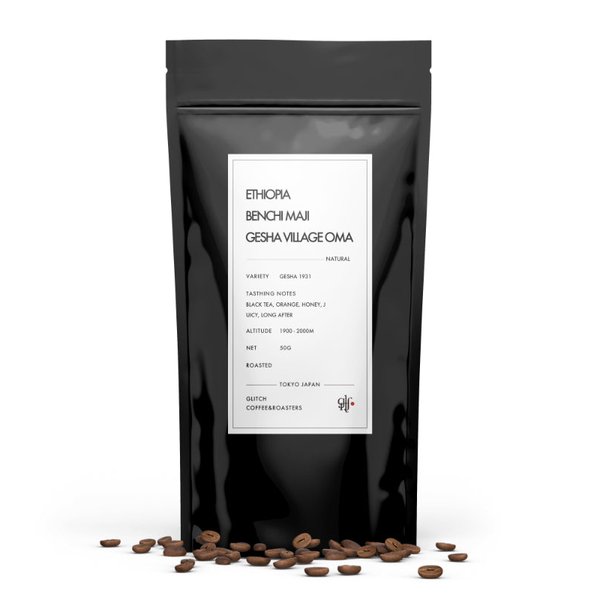 Image: Glitch Coffee & Roasters
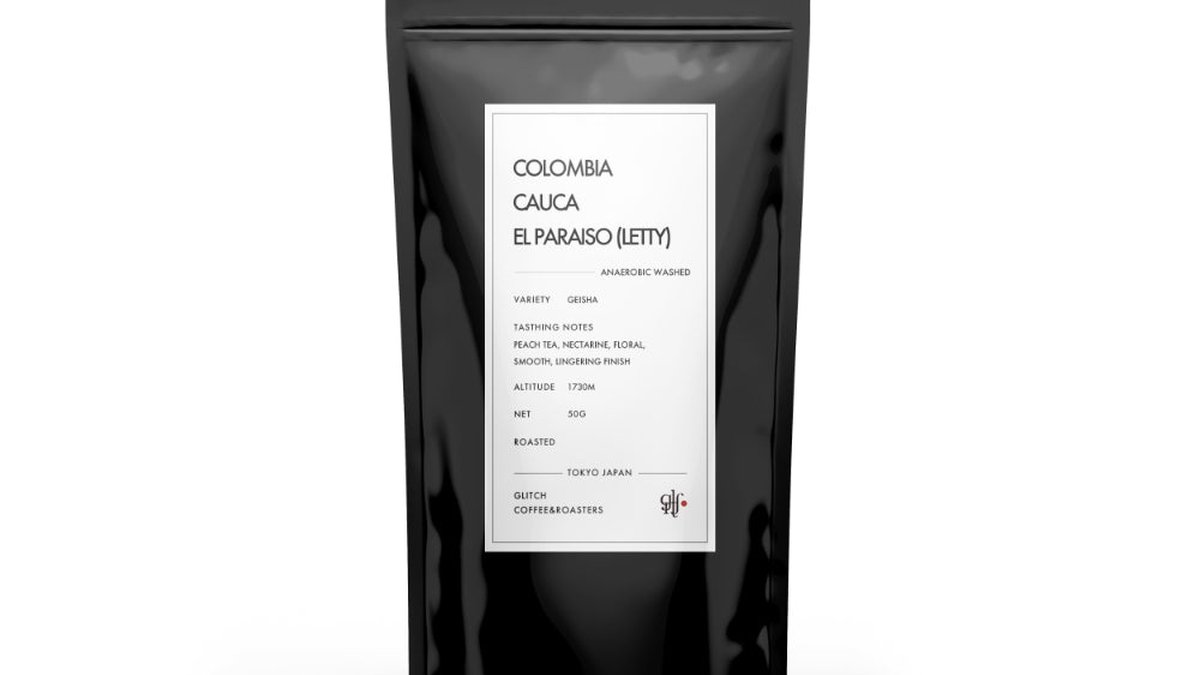
Glitch opened in Jimbocho in 2015 under head roaster Kiyokazu Suzuki. The profile is pale roasts that push acidity and origin forward — often Gesha or anaerobic Colombia lots (Glitch single-origin page, 2026).
Shipping is direct via Japan Post EMS. Glitch ships to 12+ countries, the US included. The rate is ¥4,400 for up to 500g and ¥5,850 for 501g-1,000g, with delivery in 1-2 weeks (Glitch shipping policy, 2026).
Bean prices run ¥1,800-3,500 per 200g. The cup is clean and delicate. Glitch is the rare Japanese roaster you can buy direct, no forwarder needed.
2. Kurasu — Kyoto Worldwide Subscription (Verdict: Best easy-entry subscription with free shipping)
Kurasu started as a Kyoto online retailer. It's now the de facto international ambassador for Japanese coffee. The Kurasu Coffee Subscription rotates a new partner-roaster bean monthly — past partners include Mel, Trunk, and Coffee Wrights.
Pricing starts at $22 USD for the 500g plan, up to ~$77 for the 1kg plan. Free global priority shipping is included (Kurasu subscription page, 2026). Duties are the buyer's responsibility and delivery takes 2-3 weeks.
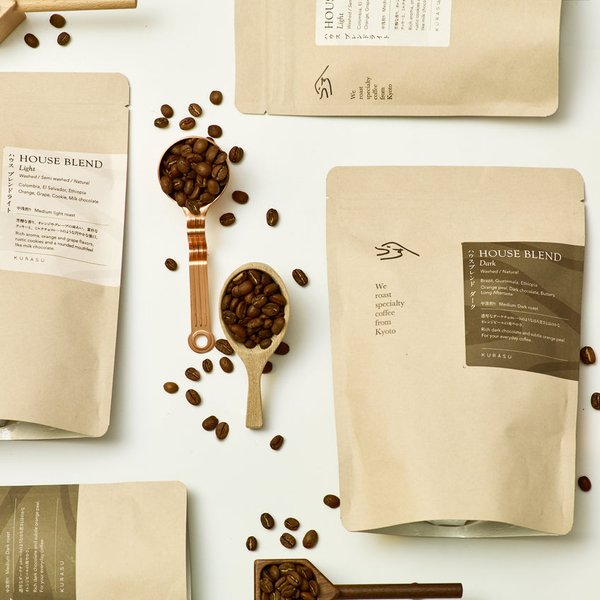
Kurasu also sells its own House Blend Dark and Medium (Brazil-Guatemala-Ethiopia) in 200g bags (Kurasu House Blend Medium, 2026). For first-time buyers, this is the best starting point.
3. Onibus Coffee — Tokyo Multi-Carrier Direct (Verdict: Best entry to Japanese specialty roasting)
Founded in 2012 by Atsushi Sakao, an Australia-trained barista, Onibus runs cafés in Nakameguro, Jiyugaoka, and Yakumo. The roast is medium-light. A "Drinkability" tag lets newcomers pick by approachability, not origin (Wave Sold profile, 2026).
Onibus ships via three carriers: EMS (cheapest), DHL, and FedEx (Onibus shipping guide, 2026). EMS is the value pick. FedEx is fastest.
Signature lots include the Step by Step Blend and Rwanda washed coffees. Prices run ¥1,500-2,800 per 200g. Onibus also runs its own farm in Costa Rica.
4. Trunk Coffee — Nagoya Global-First Roastery (Verdict: Best Nagoya roaster with serious global reach)
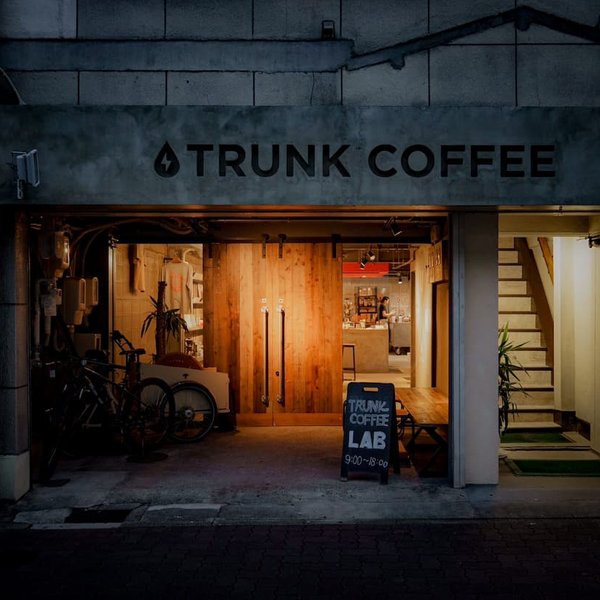
Trunk is Nagoya's flagship third-wave roastery and one of the few Japanese roasters with a separate international storefront at international.trunkcoffee.com — prices, shipping, and language are set up for non-Japanese buyers.
Trunk is best known for its 2020 Trunk Powder Coffee line — an instant format that translates hand-drip to a sachet. The whole-bean catalog covers East African washed, Central American honey, and seasonal Asian lots.
Trunk's Hotel Original Blend, brewed at Nikko Style Nagoya, is a published recipe locals copy at home (Nikko Style Nagoya, 2026). Bean prices land ¥1,700-2,400 per 200g.
5. Single O Japan — Tokyo Roastworks with Australian Lineage (Verdict: Best Aussie-Japanese hybrid for filter and espresso)
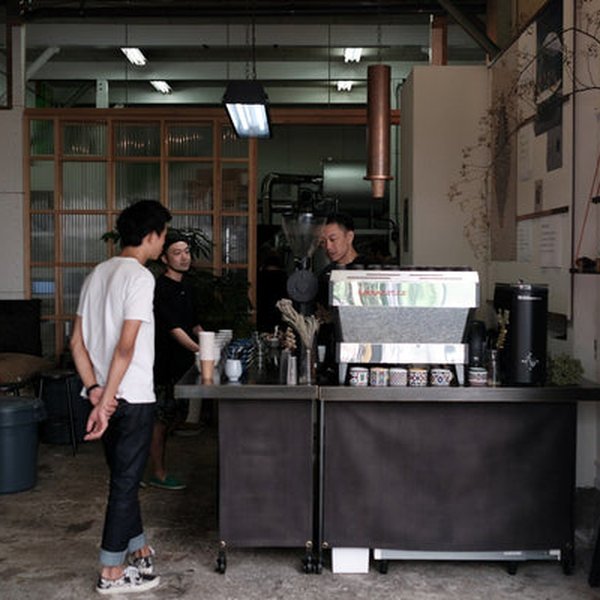 Image: Single O Japan / Kurasu
Single O is the reverse-direction story — a Sydney roaster (founded 2003) that opened a Tokyo arm in 2014 under Yu Yamamoto. Ten years on, Ryogoku Roastworks quadrupled roasting capacity. 2025 brought new flagships in Kanda Awaji and Yurakucho (World Coffee Portal, 2025).
Direct shipping from the Japanese arm is limited, so US buyers typically route through Sydney's singleo.com.au or European distributors like KINTO Europe.
The roast leans medium-light, balanced for espresso and filter both. Beans run AU$24-32 per 250g.
Think of it as Japanese precision applied to an Antipodean palate.
6. Light Up Coffee — Tokyo Single-Origin Fruit-Forward (Verdict: Best single-origin light roasts at entry pricing)
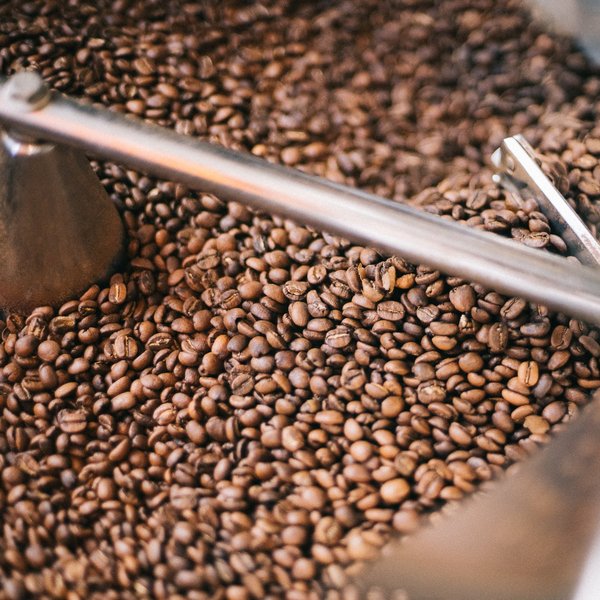
Light Up Coffee opened in Kichijoji in July 2014. It runs three Tokyo shops plus a Bali sourcing arm. The lineup leans Ethiopia, Kenya, and Colombia, with a fruity profile that runs to citrus, stone fruit, and florals (TYPICA Light Up Kichijoji profile, 2026).
Light Up runs an English online shop at lightupcoffee.com/en with global shipping (Coffee Guide subscription roundup, 2026).
Single-origin lots run ¥1,400-2,200 per 200g — among the most affordable light roasts out of Tokyo. Light Up also stocks at Awake in Singapore.
7. Mel Coffee Roasters — Osaka Melbourne-Inspired (Verdict: Best Osaka roaster — route via partner box)
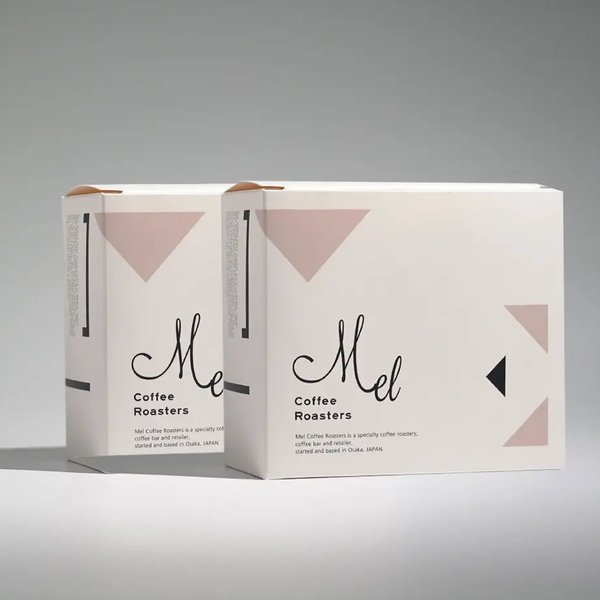
Mel Coffee opened in Shinmachi, Osaka in January 2016 under Masa and Rie, who learned the trade in Melbourne (the "Mel" in the name) before returning to Osaka where no specialty roastery existed yet (The Way to Coffee profile, 2024).
The roast profile is balanced-light, with a heavy single-origin focus. The flagship product is the Masa's Choice subscription at 450g, where the roaster hand-picks rotating lots.
Mel Coffee does not ship to the US directly. The cleanest route is Kurasu's monthly partner-roaster archive, where Mel has been featured since 2016 (Kurasu Mel feature, 2016).
Subscription pricing on mel.coffee runs ¥4,200 for 200g and ¥9,800 for the 1kg plan.
8. Coffee Wrights — Tokyo Sangenjaya Quiet Craft (Verdict: Best Tokyo neighborhood roaster for medium-light)
Coffee Wrights opened in Sangenjaya in December 2016 (Sprudge profile, 2018). Co-owner Yuki Mune trained at Mojo, then Blue Bottle Japan. The shop is low-tech and human-paced.
The Kuramae roastery runs every two to three days. It puts out six rotating single-origin roasts plus a Brazil decaf, sourced from Brazil, Colombia, Guatemala, Kenya, and Ethiopia (Travelers Guide profile, 2026).
The online shop at store.coffee-wrights.jp is Japanese-domestic only, so US buyers either visit Tokyo or wait for a Kurasu drop.
Bean prices run ¥1,600-2,400 per 200g. Cup-wise, expect medium-light precision without the showy acidity of Glitch.
How We Ranked
Japanese-coffee-gear rankings combine:
- Verifiable product specs: manufacturer documentation (Hario, Kalita, Origami, etc.), original Japanese reviews + technical specifications, Kakaku.com pricing data, and any third-party brewing-protocol validation.
- Barista-reported outcomes: Hario / Kalita brand forums + r/pourover + r/espresso from the past 24 months. We track patterns in brewing consistency, durability, and replacement-part availability.
- First-hand brewing tests: editorial 30-day use across standardized brew variables (grind size, ratio, temperature) with cup-quality rating.
What we never accept: paid placement, brand sponsorships. Affiliate links to vetted retailers (Hario directly, Kalita-USA, Origami-Coffee) — never modify gear-by-gear rankings.
Update cadence: each piece of gear re-tested annually. Email research@japanesecoffeegear.com.
Frequently Asked Questions
How much does it cost to ship Japanese coffee to the US? EMS from Glitch costs ¥4,400 for up to 500g and ¥5,850 for 501g-1,000g — roughly $30-40 USD (Glitch shipping policy, 2026). DHL and FedEx from Onibus run 30-60% higher (Onibus shipping guide, 2026). Kurasu's subscription bakes shipping into the $22-77 price.
How fresh will the beans be when they arrive? EMS to the US takes 7-14 days. DHL and FedEx land in 3-7 days. Japanese roasters ship within 2-3 days of roast. Expect beans 10-17 days off roast on arrival — well inside the 4-6 week peak window for filter coffee (Standart Tokyo profile, 2026).
Do I need to read Japanese to order from these roasters? No, for most of the list. Glitch, Kurasu, Onibus, Trunk, and Light Up all run English storefronts. Coffee Wrights and Mel are domestic only — route those through Kurasu's partner box or a forwarder.
Will US customs charge duties on Japanese coffee imports? Coffee under the de minimis line ($800 USD per shipment) enters the US duty-free for personal use. Kurasu notes that "any applicable taxes or duties are not included" in its subscription (Kurasu shipping FAQ, 2026). Most personal orders stay well under the line.
What brewing method works best with Japanese light roasts? Pour-over on a Hario V60 or CAFEC Flower Dripper is the default. Japanese roasters profile their lots assuming pour-over. For darker Trunk or Coffee Wrights lots, an immersion brewer like the Switch or Aeropress works too (Philocoffea brewing guide, 2024).
Related Reading
- Top 10 Japanese Pour-Over Coffee Drippers Compared: Hario, Kalita, Origami (2026)
- The Tetsu Kasuya 4:6 Method, Translated: A Step-by-Step Guide
- Best Japanese Hand Grinders Compared: Kingrinder, Timemore, 1Zpresso (2026)
-- The Japanese Coffee Gear Team